What is Re-wilding

Wildlife shelters aid thousands of mammals and birds affected by human presence, helping them recover and return to the wild, mitigating our impact on wild neighbours.

The definition

We don't tame them. We send them home.

Raising an orphaned animal so it can survive in the wild on its own — without ever getting comfortable around people.

Rehabilitation

Heals an injury, then releases. Usually weeks. Habituation is a smaller risk.

Sanctuary

Keeps the animal for life. Comfort with people is fine, because it never leaves.

Re-wilding

Raises an orphan for months or years, then returns it as a genuinely wild animal.

Why the distance matters: A bear that associates people with food will walk into a campsite or a backyard. That bear gets destroyed. Every hour of contact we avoid now is a real improvement in its odds later, which is why we do not name every animal, do not let volunteers cuddle cubs, and do not open the shelter to the public.

How it works

What happens after you apply

*Stage five is where most programs stop. Release without monitoring is a hope, not a result — so in 2023 we brought the research in house.

01

Rescue

An orphaned or injured animal comes in from anywhere in BC.

02

Recuperate

Medical care and feeding, with handling kept to the minimum needed.

03

Stay wild

Natural foods, natural enclosures, no treating them as pets.

04

Release

Site chosen for food, cover, and distance from people. Timed to the season.

05

Monitor

Since 2023 our own researchers track what happens after release.

Our programs

Four species, four different problems

Same principle, very different timelines.

Since 1989

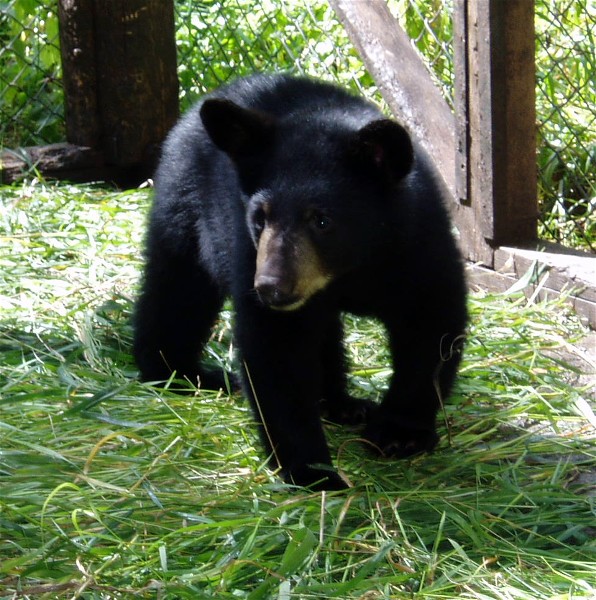
Black bear

Our longest-running program, and the one other jurisdictions ask us about. We take orphaned cubs from anywhere in BC outside Vancouver and Vancouver Island, where two other groups cover intake. Cubs stay through a full cycle before release into suitable habitat.

197 bears returned to the wild since 1999

Time in care

Around 12 months

Diet

Natural forage, no human food

Release

Remote habitat, seasonally timed

Status

Proven, ongoing

Montage image of black bears.

First and only in Canada

Grizzly

Since 2007, in partnership with the BC Government. Grizzlies range further, mature slower, and carry higher stakes than black bears, so we are still learning. We say that plainly because the alternative is pretending otherwise.

The goal is a best-practice manual other jurisdictions can use.

Time in care

Longer than black bears

Partner

BC Government

Release

Case by case, with permits

Status

Work in progress

Montage image of grizzly bears.

Our highest volume

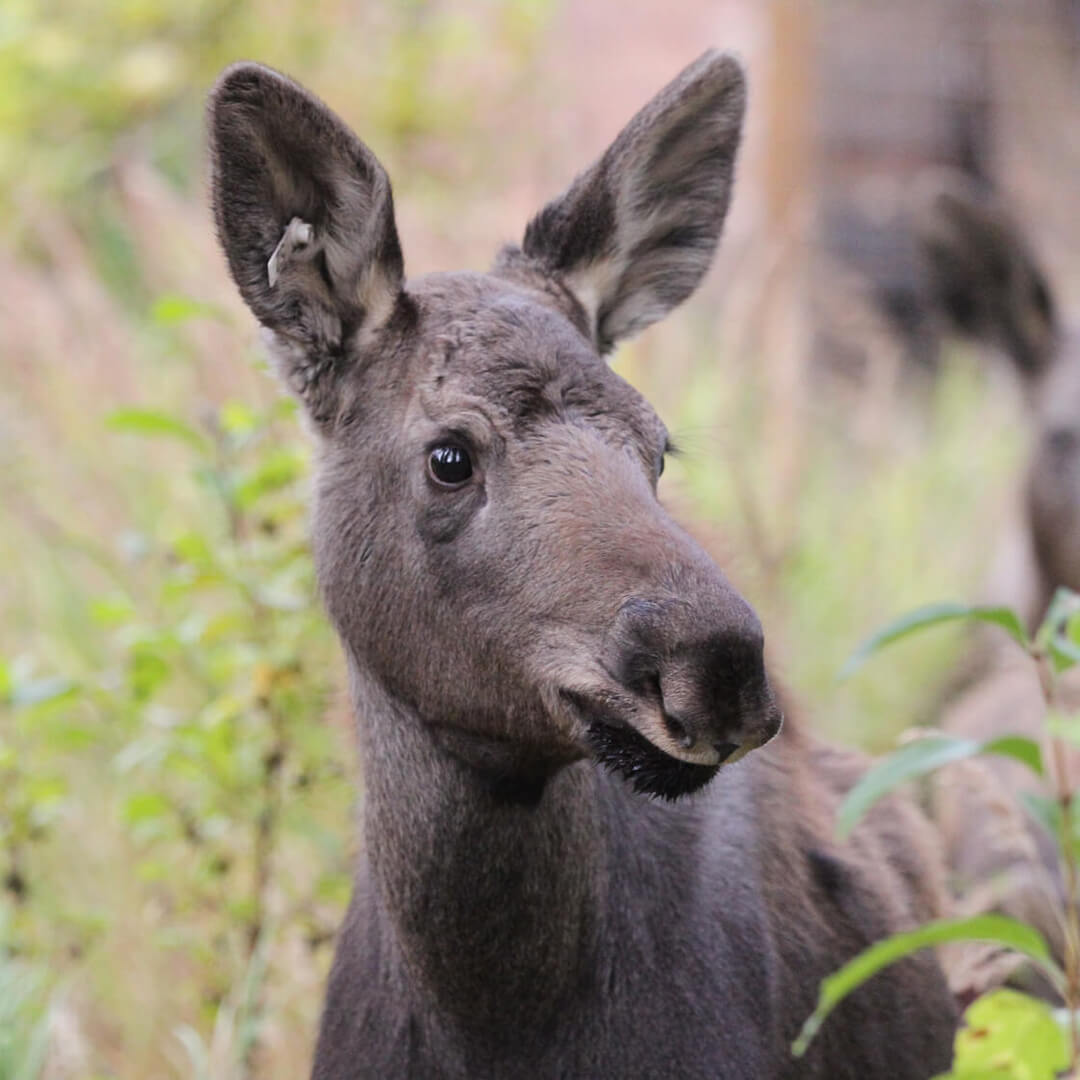
Moose

Calves orphaned mostly by vehicle and train collisions. They bond to handlers faster than bears and stress easily, so distance matters even more here. We raise calves on a slow-release program, free to browse in the wild by day, brought in at night for protection from predators, much like they'd get from their mother until the following spring.

Time in care

Until spring, following birth

Diet

Wild browse, day release

Release

Grouped where possible

Status

Ongoing

Montage image of moose.

Our highest volume

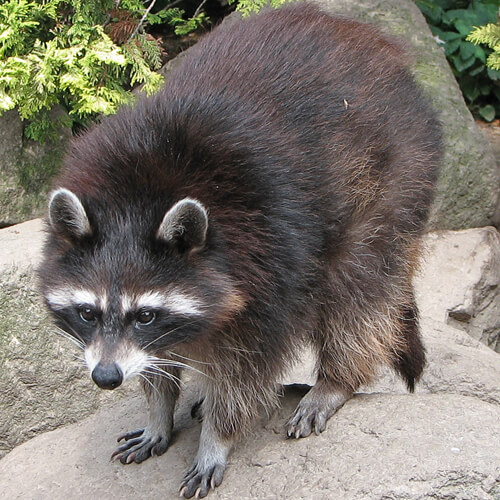
Small mammals

Squirrels, hares, raccoons, beavers, porcupines and more — rarely in the news, but most of what comes through our door each year. Injured or orphaned birds we transfer to a specialized raptor or songbird centre rather than treat ourselves.

Time in care

Weeks to months

Diet

Species-specific housing

Release

Near where found, where safe

Status

Ongoing, year-round

*Wolves, cougars, beavers under 3, and mountain goats need long-term or specialized facilities we don't yet have for every case.

Montage image of small animals.
Before you call

Which animals we can take

We're permitted for BC mammals. Some species we transfer, and a few we can't take at all, knowing which is which saves the animal time.

SPECIES

WE TAKE

NOTES

Image of a black bear.

Black bears

Yes

Full re-wilding program

Image of a bear.

Grizzly bears

Yes

With government authorisation

Moose and deer

Yes

Calves and fawns

Other BC mammals

Yes

Facilities vary by species — call first

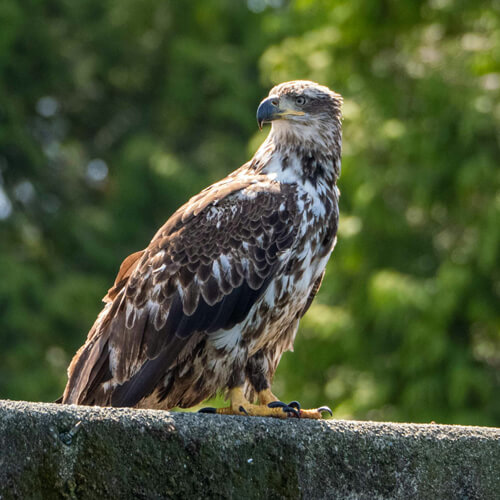
Birds of prey

Transfer

We move them to a raptor facility

Waterfowl and songbirds

No

Find a shelter that can help →

Black Bear Program

NLWS rehabilitates black bears from across the province of BC, except from the Vancouver region and Vancouver Island as they are covered respectively by Critter Care Wildlife Society and North Island Recovery Association.

We often get the argument that there are enough black bears in the province and it is a waste of time and resources to rehab black bears. Everyone at NLWS begs to differ with such opinions.

  • Every life has value and deserves to be treated accordingly.
  • Human impact on our wildlife species is growing at an alarming rate and what is common today can easily be endangered or gone tomorrow.
  • Re-wilding bears offers unique study opportunities.
  • We have much to learn and the work we do with black bears can greatly aid in the protection and recovery of endangered bear species around the world.
  • We share our work as widely as possible, work with Universities and other organization in a bid to answer important questions and aim to educate with each bear we raise and release.

You Can Help Improve an Animals Life!

Grizzly Program

In 2007 NLWS and the BC Government embarked on a pilot project to re-wild orphaned grizzly cubs.  Though this program has been running for many years now, we are still in the learning process. Low animal numbers and a sharp learning curve have yet to lead to a solid base program, though there are some promising results.

In the beginning NLWS partnered with other organizations to cover costs of post release monitoring, but we found that those partnerships did not meet our view of best practices for the animals. In 2023 we decided to take over the post release monitoring by hiring our own researchers to ensure that the work was conducted in the spirt of the original program. While issues of raising the bears in human care have mostly been solved, choosing good release sites and monitoring survival rates remains work in progress.

The aim of this project is to create a best practice manual that can aid other jurisdictions to create similar programs.

You Can Help Improve an Animals Life!

Your Donations Save Lives!

Your donation saves Lives  Donating to Northern Lights Wildlife Shelter saves wildlife by providing crucial resources for their care, such as food, shelter, and medical treatment. The shelter rescues and re-wilds injured or orphaned wildlife, giving them a second chance at life. Your donation can directly contribute to the well-being and survival of these vulnerable species.

Moose Program

Moose are consistently becoming more threatened in the wild and numbers in many of BC regions are on a steady decline.  Loss of habitat, train and vehicle death as well as often poorly managed hunting practices leave this species struggling.

By raising orphaned calves we can at least minimize our human impact a little. Despite their imposing size moose are fragile in many ways. They have a very sophisticated feeding regiment that is hard to provide in alternative feeding while in care. To mitigate this problem, we have been raising our calves on a slow release program that allows them to browse in the wild during the day and locks them up at night for protection of predators.

Calves often stay with their mom until the following spring of their birth, though they typically stop nursing in the fall of their birth year. Staying with their mom until spring gives them the predator protection that we provide with overnight fencing.

You Can Help Improve an Animals Life!

Small Mammals & Birds Program

NLWS typically acts as a transitional group to send injured/orphaned birds to one of the longstanding BC centres that are equipped and experienced to deal with these species.

All mammals in need will find help at our shelter, be cared for and returned to the wild as soon as they are ready.  However some species are exempt or for other reasons can’t be kept until a release would be viable.

  • Wolves and cougars are exempt on our permits and as per government regulations can’t be released. We will do our best to find good places for such wildlife in long-term human care and if that is impossible the will be humanly euthanized as per permit requirements.
  • Beavers are not mature enough to be released until 3 years of age. At this point NLWS doesn’t have facilities to accommodate them for that long. We will try to find places that can or places in long-term human care.
  • Mountain Goats also need a longer time to mature and also need special fencing to prevent escapes as they can jump to great heights. At this point NLWS doesn’t have enclosures to facilitate this species, but we are working on funding to build such an enclosure and make re-wilding of Mountain Goats a possibility in the near future.

You Can Help Improve an Animals Life!